OMT is a hands-on treatment technique used by osteopathic physicians (DOs) to diagnose, treat, and even prevent certain conditions. Using their hands, doctors apply gentle pressure, resistance, and controlled movement to muscles, joints, and tissues throughout the body. It’s not a massage, and it’s not chiropractic care — it’s its own science-backed discipline rooted in the belief that the body has a natural ability to heal itself when its structure is properly aligned.
Your body’s musculoskeletal system — bones, muscles, tendons, and connective tissue — makes up roughly 60% of your body mass. When something in this system is restricted or misaligned, it can interfere with blood flow, nerve signals, and organ function in ways that aren’t always obvious.
During an OMT session, your doctor uses their hands to feel for tension, stiffness, or imbalance in your body. Then, depending on what they find, they apply one or more techniques. Some involve slow, gentle stretching of soft tissue. Others use rhythmic movements to improve joint mobility.
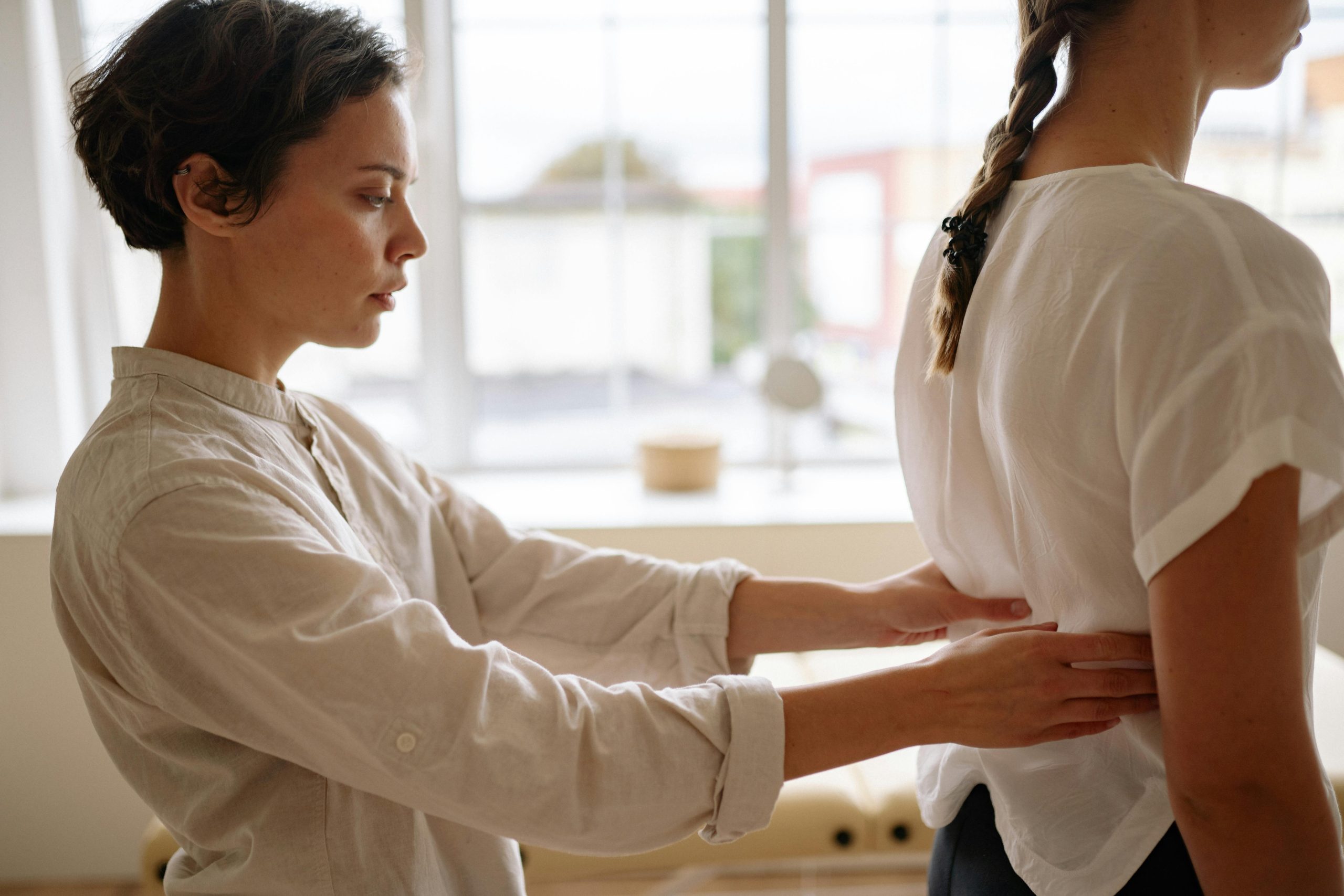

Some techniques are subtle enough that you barely notice the doctor’s hands moving at all. The goal is always the same — restore movement, relieve tension, and allow your body’s natural systems to function the way they were designed to.
A typical session lasts anywhere from 20 to 45 minutes, and many people feel immediate relief, though some conditions require several visits for lasting results.
OMT is perhaps best known for tackling back, neck, and joint pain. Rather than simply masking discomfort with medication, it addresses the structural root of the problem.
By releasing tension in tissues and restoring proper alignment, OMT encourages better blood and lymphatic flow throughout the body, supporting the immune system and speeding up recovery.
Misalignments can put pressure on nerves. OMT relieves that pressure, which can improve everything from headache frequency to digestive function.
OMT doesn’t replace conventional medicine. It works alongside it — enhancing recovery after surgery, supporting pregnancy, and improving outcomes for patients managing chronic illness.
For many patients, effective OMT means fewer painkillers and anti-inflammatories, which is a meaningful benefit given the risks of long-term medication use.
Most people find OMT comfortable, even relaxing. You might feel some mild soreness afterward — similar to how your muscles feel after light exercise — but this typically fades within a day or two. Your doctor will always adjust the technique to your comfort level.
Almost anyone. OMT has been used successfully in newborns with latching difficulties, athletes recovering from injury, pregnant women managing back pain, elderly patients with limited mobility, and people living with chronic conditions like fibromyalgia or migraines. It truly spans all ages and stages of life.
While both involve hands-on treatment, osteopathic physicians complete full medical school training plus additional hours in OMT. They treat the whole person — not just the spine — and integrate OMT into broader medical care. Chiropractors focus primarily on spinal alignment and are not medical doctors.
It depends on your condition. Acute issues like a muscle strain might resolve in one or two visits. Chronic conditions often benefit from ongoing sessions over several weeks or months. Your DO will build a personalized plan with you.
Often, yes. Since OMT is performed by licensed medical physicians, it is frequently covered under standard health insurance, including Medicare. That said, coverage varies by plan and diagnosis, so it's worth confirming with your insurer beforehand.
Absolutely. Research supports its use for sinus congestion, asthma, digestive disorders, ear infections in children, and even stress-related conditions. Because the musculoskeletal system connects to virtually every body function, the reach of OMT is broader than most people expect.
GUYBARB Health & Wellness Medical Services
Dr. Charles Francis, DO, AE-C
Comprehensive Family Medicine & Wellness Care in Hamilton, NJ
8 Quakerbridge Plaza, Suite E, Hamilton, New Jersey 08619, United States
 (609) 245-8759
Copyright © 2026 Guybarb All Rights Reserved. Powered by