Chronic disease management (CDM) is a coordinated system of care designed to help people living with long-term health conditions monitor, manage, and minimize the impact of their illness on daily life. Unlike a one-time fix, it’s a continuous process — because chronic conditions don’t disappear, but they absolutely can be controlled.
It covers a wide range of conditions including Type 2 diabetes, hypertension, chronic obstructive pulmonary disease (COPD), heart disease, obesity, depression, and more.
CDM isn’t just about popping pills and showing up to appointments. It’s a whole-person approach that typically involves:
Your Care Team: You’re supported by a network — your primary doctor, nurses, dietitians, mental health professionals, and specialists — all working together around you.
Personalized Care Plans: Your plan is built around your specific condition, lifestyle, and goals. No two plans look the same, because no two people are the same.
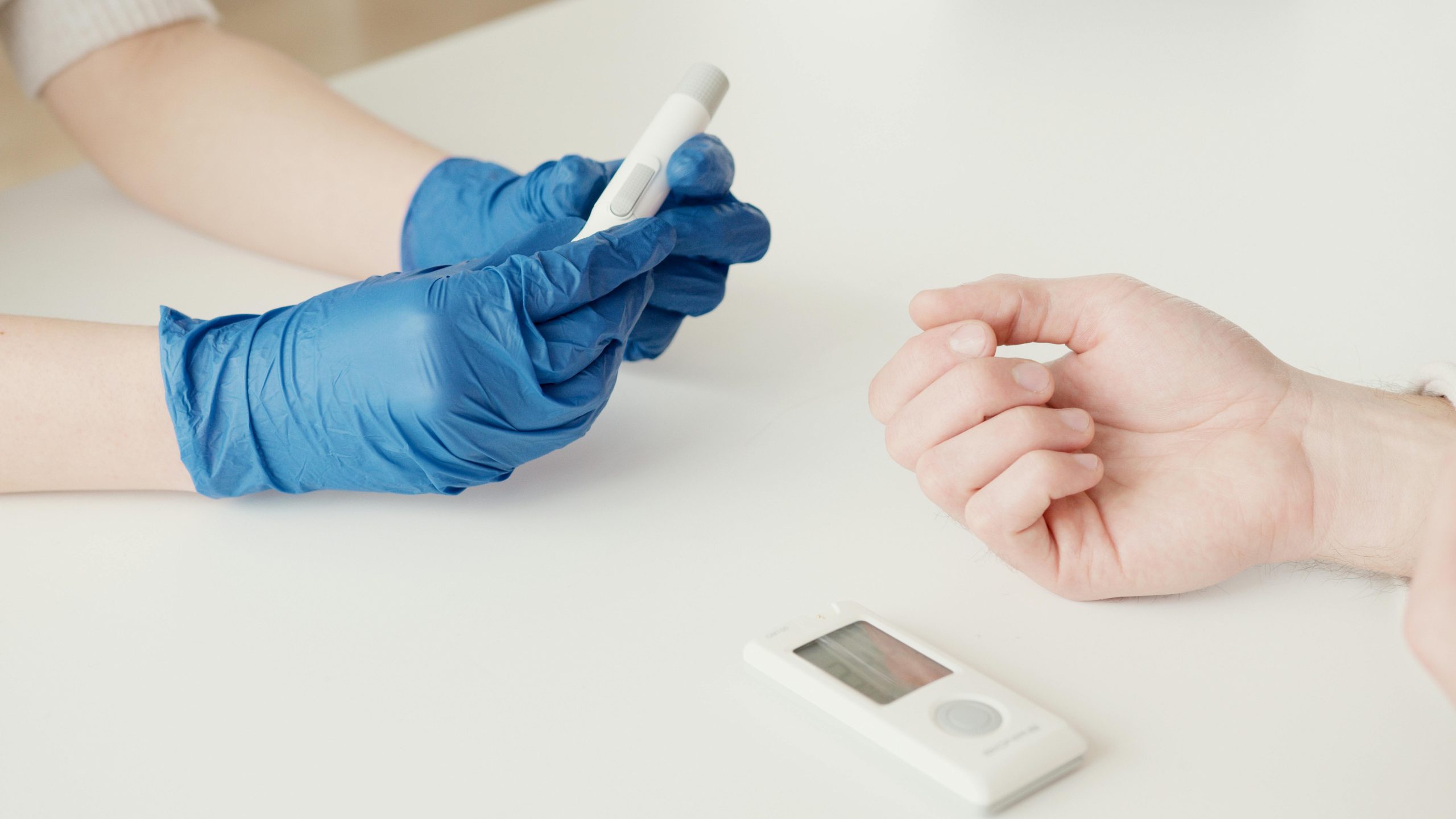
Regular Monitoring: Blood pressure checks, blood sugar tracking, weight monitoring — keeping an eye on your numbers helps catch warning signs early before they become emergencies.

Medication Management: Making sure you’re on the right medications, at the right doses, and actually taking them consistently. Sounds simple — but it’s one of the biggest challenges in chronic care.
Lifestyle Coaching: Diet adjustments, physical activity guidance, stress management, and sleep hygiene all play a powerful role in controlling chronic conditions naturally.
Education and Self-Management: The more you understand your condition, the more empowered you become. CDM teaches you to recognize symptoms, respond appropriately, and make smarter daily choices.
When your condition is well-managed, you spend less time feeling sick and more time living. Simple as that.
Regular monitoring catches problems early, which means fewer emergency room visits and hospital stays.
Proper management can actually slow down how fast a condition worsens, giving you more healthy years ahead.
Chronic illness and anxiety often go hand in hand. CDM addresses emotional well-being alongside physical health, so you don’t feel alone in the journey.
Preventing complications is far cheaper than treating them. Consistent care today means avoiding costly crises tomorrow.
Most chronic conditions can't be fully cured, but many — like Type 2 diabetes or hypertension — can go into remission or be so well-controlled that they barely affect your daily life. Management is about maximizing your quality of life, not just surviving with a diagnosis.
It depends on your condition and how stable it is. Some people need monthly check-ins; others manage well with quarterly visits. Your care team will guide you, but don't wait for something to go wrong — regular visits are the whole point.
Not overnight. Small, sustainable changes — walking 20 minutes a day, reducing salt, sleeping better — add up to big results over time. CDM is about progress, not perfection.
Very common, actually. This is called "comorbidity," and CDM is specifically designed to handle multiple conditions simultaneously. Your care plan will account for how your conditions interact with each other.
Absolutely. Studies consistently show that depression and anxiety can worsen physical chronic conditions. A good CDM program treats your mind and body as one connected system — because they are.
That's one of the most human questions in healthcare. Connecting with support groups, setting small achievable goals, celebrating progress, and having an honest relationship with your care team all help. On hard days, remember — managing your health is one of the most courageous things you can do for yourself.
GUYBARB Health & Wellness Medical Services
Dr. Charles Francis, DO, AE-C
Comprehensive Family Medicine & Wellness Care in Hamilton, NJ
8 Quakerbridge Plaza, Suite E, Hamilton, New Jersey 08619, United States
 (609) 245-8759
Copyright © 2026 Guybarb All Rights Reserved. Powered by